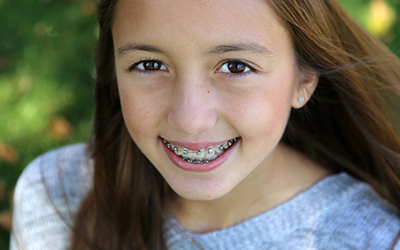
When most people think about orthodontics, they picture straighter teeth and a more confident smile. While appearance is a major benefit, orthodontic care also plays a powerful role in improving how your bite functions and how your jaw joints handle everyday movement. A poor bite—known as malocclusion—can place uneven pressure on teeth and jaw muscles, increasing the risk of discomfort, worn enamel, and long-term jaw strain. Orthodontic treatment works by repositioning teeth (and sometimes guiding jaw growth) to create a healthier bite alignment, improving comfort and supporting the durability of your entire oral system. For patients exploring options such as clear braces in Centennial, the goal is the same: a stable, functional bite that protects both teeth and jaw health.
How Orthodontics Improves Bite Function
Your bite affects how efficiently you chew, speak, and even swallow. When teeth don’t meet properly, your jaw may compensate by shifting, overworking certain muscles, or relying on uneven chewing patterns. Over time, these small adaptations can lead to soreness, headaches, or excessive wear on specific teeth. Orthodontic care helps correct these issues by creating better contact between upper and lower teeth, leading to smoother, more balanced movement. Whether you are evaluating types of dental braces or considering modern solutions like clear aligners, improved bite function is often one of the most noticeable changes patients experience.
Correcting bite alignment can help:
· Improve chewing efficiency and digestion support
· Reduce uneven tooth wear and enamel breakdown
· Lower the risk of tooth chipping or cracking
· Make daily brushing and flossing easier by improving tooth positioning
Patients who begin treatment through ortho Centennial consultations often discover that bite correction can be just as life-changing as cosmetic improvement, especially for those who’ve struggled with jaw tightness or frequent dental wear.
Supporting Jaw Joint and Muscle Health
Your jaw joints, called the temporomandibular joints, work together with muscles and teeth to open, close, and guide jaw motion. If your teeth are misaligned, your jaw may function in a less stable position, contributing to fatigue or discomfort. While orthodontic treatment is not a guaranteed cure for all TMJ disorder symptoms, improving bite balance can reduce strain for many patients by helping the jaw rest and move in a more natural, supported position.
A well-aligned bite can reduce jaw stress by:
1. Distributing chewing forces evenly across all teeth
2. Reducing muscle overuse caused by compensating for misalignment
3. Supporting a more stable resting jaw position
4. Improving long-term joint comfort and function
For many families looking into clear braces in Centennial, this benefit is especially appealing because it addresses both comfort and appearance at the same time.
Matching Treatment to Bite Needs
Not all orthodontic appliances work the same way. The best approach depends on the complexity of your bite, your lifestyle preferences, and how much movement is needed. A skilled orthodontist will recommend several types of dental braces, including traditional and modern systems, based on what will produce the most stable functional result. Treatment may include options such as traditional braces, ceramic braces, or clear aligners.
Modern patients often appreciate discreet solutions, but effectiveness still matters most. For example, clear braces in Centennial may be ideal for individuals who want a less noticeable treatment while still needing significant correction. Meanwhile, patients who consult with ortho Centennial providers may learn that certain bite issues—such as severe rotations or complex jaw relationships—may respond better to fixed braces for precise control.
Long-Term Protection for Teeth and Gums
Improving bite function can also protect your gum health and make oral hygiene easier. Crowded or overlapping teeth can trap plaque and make flossing difficult, increasing the risk of inflammation or gum disease. Orthodontic correction creates spacing that supports better home care, which helps maintain healthier gums and a reduced risk of future dental problems. Patients who commit to orthodontic treatment often notice that brushing becomes more effective because toothbrush bristles can reach areas that were previously blocked by crowding.
Additionally, bite correction may prevent premature wear that can lead to sensitivity, enamel loss, and the need for restorative dental work. By choosing the right approach from the available types of dental braces, patients can often avoid complications that stem from long-term imbalance.
A Functional Smile That Lasts
Orthodontics is about far more than straight teeth. A properly aligned bite can improve comfort, prevent damage, and promote healthier jaw mechanics that support daily life. With options ranging from clear aligners to clear braces in Centennial, today’s patients can choose solutions that fit both function and appearance. If you’ve been considering treatment, an evaluation through ortho in Centennial can help identify how bite alignment may be affecting your jaw health and what improvements are possible through the right orthodontic plan.


 Schedule Free Exam
 New Patient Forms